1080: the facts
  • Home
  • The Facts
    • 1080 factsheet
    • Overview of 1080
    • The science of how 1080 works
    • Facts and figures >
      • The predators
      • The victims
    • Conservation
    • Bovine TB
    • 1080 bait and delivery
    • Alternatives to 1080
    • Regulation of 1080 >
      • Changes to 1080 regulation
  • 1080 at work
    • News
    • Case studies
    • From the field
    • Tiakina Ngā Manu
  • Research + Resources
    • Research
    • Reports
    • Resources >
      • FACTS: in pictures
      • NZ predator control map
  • Projects
    • 1080 and Water
    • 1080 fish
    • 1080 and Dogs
    • The facts of the missing rock
    • 1080 and Soil
  • Gallery
    • Photos
    • Videos
    • Links
  • The Trust
    • About the Trust
    • News from the Trust
    • Our supporters
    • Contact Us

Snail numbers rise

22/9/2014

1 Comment

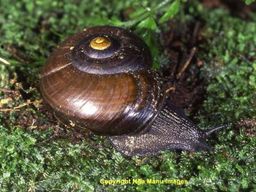
Kahurangi National Park was suffering declining populations of native snails. In 1997 a major aerial 1080 targeting was undertaken. Pre-1080, there were 54 snails found on a 500sq m grid. One year after 1080 was applied, 147 snails were found on the same plot.

Read the study here
Pictures
Powelliphanta snail (source: Nga Manu)
1 Comment

Robins in Silver Peaks, Otago

10/4/2014

0 Comments

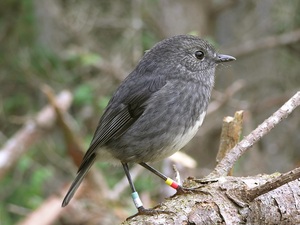
Researchers found that aerial 1080, applied in the Silver Peaks region in Otago, shows that the pre-fed 1080 operation at Silver Peaks had no negative effect on the robins, 1080 knocked the possum and rat numbers down to almost zero, and robins’ experienced relatively high breeding success when predator numbers were low.

Silver Peaks (Aerially applied 1080 site)
  • All banded birds alive 16 days after the 1080 operation
  • 67 per cent of monitored nests at the site successfully produced at least one fledgling.
Silversteam (control site)
  • All monitored birds in the control site were re-sighted
  • Only 8 per cent of monitored nests successfully producing at least one fledgling.


Read the study here
Pictures
NZ native Robin (source: Tony Will via Creative Commons license)
0 Comments

Hawdon and Eglinton Valleys

30/12/2011

0 Comments

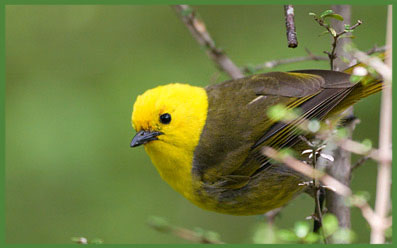
The South Branch of Hurunui, Hawdon and Eglinton valleys all had substantial populations of mohua. All three populations declined during the 1990s and all collapsed to very low levels during a rat and stoat plague over the 1999-2000 season. After a comprehensive pest control programme, including aerial 1080 application in 2006 mohua are now abundant in areas that received treatment but have declined elsewhere.

Watch the news story
Pictures
Mohua, also known as the yellowhead (source: unknown)
0 Comments

Waitutu's cake 'back from the brink'

28/4/2011

0 Comments

An endangered population of kaka in the Waitutu Forest, Fiordland, has been boosted by a record breeding season following a pest control operation with 1080 toxin.

In October 2010, the Department of Conservation (DOC) carried out an aerial possum control operation over 25,000 hectares of Waitutu Forest using cereal pellet baits laced with biodegradable 1080.

Read More

0 Comments

Breeding success of New Zealand falcons

7/3/2009

0 Comments

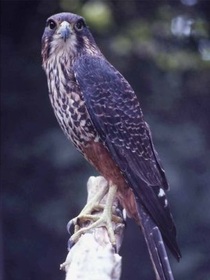
In a study on the breeding success of New Zealand falcons in a pine plantation over three breeding seasons, it was found that New Zealand falcon numbers in the Kaingaroa Forest increased from 20 to 36 pairs following aerial and ground 1080 control.
​
Read the study here
Pictures
NZ Falcon (source: nga Manu)
0 Comments

Good news for silvereye

10/7/2004

0 Comments

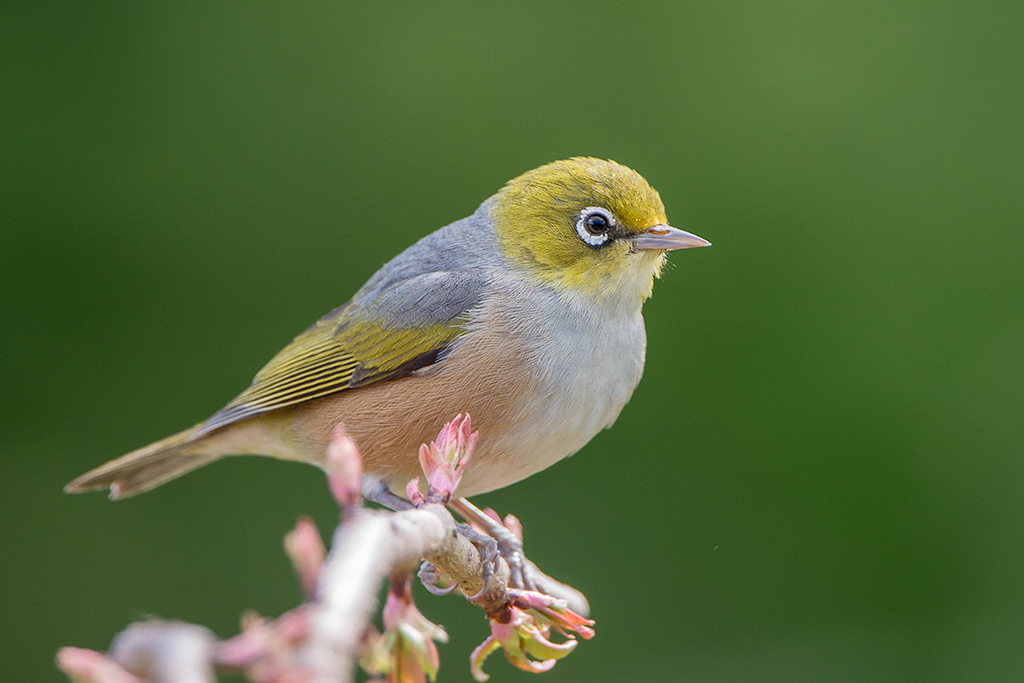
Prior to a 1990 possum eradication programme using 1080, Rangitoto Island's pohutukawa forest was dead and dying. Rangitoto is now a blaze of healthy pohutukawa, flowering throughout the summer. Monitored bird life records show that since possums were eradicated there are 10 times more tui and silvereye living on the island. Honey production on the island pre-1080 possum control was 7kg per hive. One year later it rose to 25kg per hive, and two years later it was 50kg per hive.

Read the study here
Pictures
Silvereye (source: nzbirdsonline.org.nz)
0 Comments

Breeding Kiwi in Tongariro Forest

2/7/2004

0 Comments

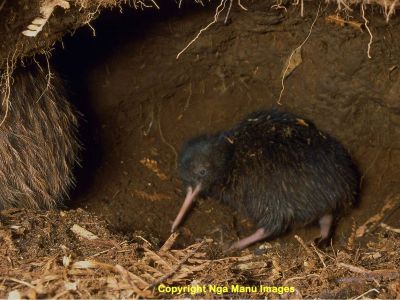
Nationwide studies show that on average only 5% of kiwi chicks survive to adulthood. Prior to an aerial 1080 application in Tongariro Forest in 2001, 32 kiwi chicks were radio-tagged. After the 1080 programme, 40% of the radio-tagged chicks survived to adulthood.

Read the study here
Pictures
Kiwi chick in nest (source: Nga Manu)
0 Comments

Pureora Forest hotels

2/7/2004

0 Comments

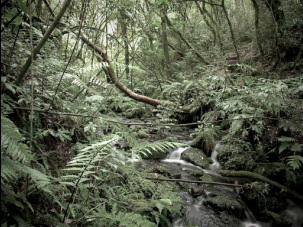
In Pureora Forest Park 20 kaka were radio-tracked in an area to be treated with aerial 1080 in 2001. In nearby Waimanoa Forest, which was not to be treated with 1080, nine kaka were radio-tracked. In the area where 1080 was used, all 20 birds survived that season. Of the nine birds tagged in the untreated area, five were killed by predators that same season.

Read the study here
Pictures
Pureora Forest (source: Thomas Camp via Creative Commons license)
0 Comments

Cake

2/9/2003

0 Comments

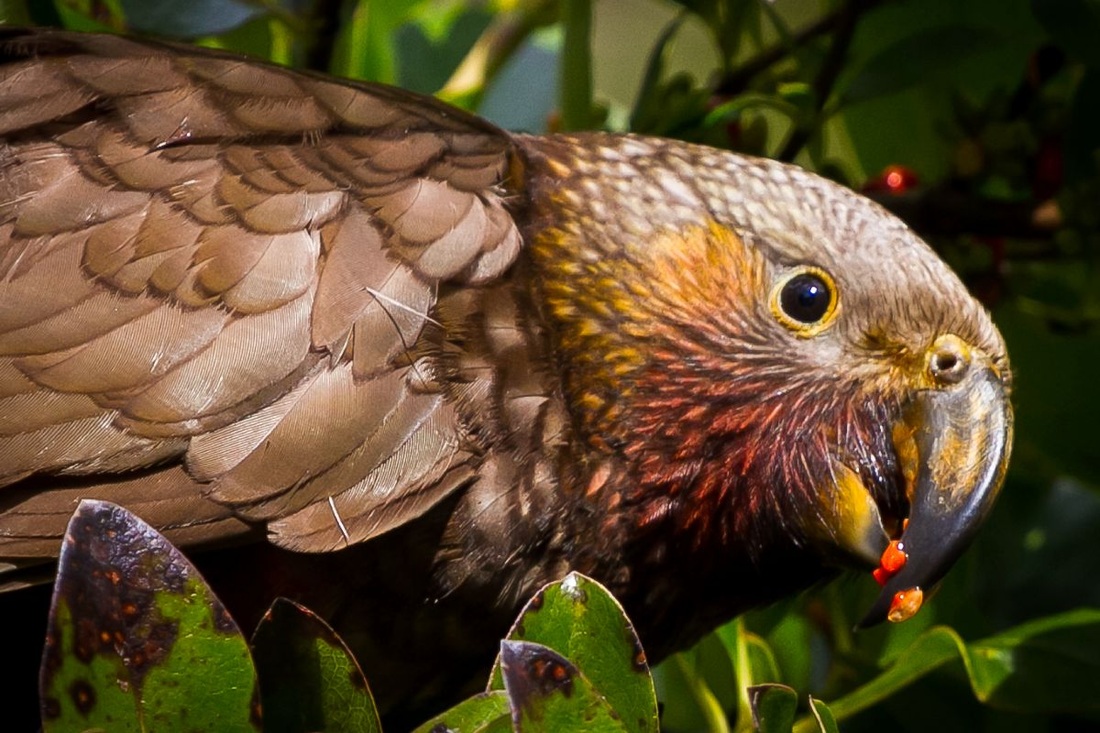
In total, 73 kaka have been radio-tagged and monitored through four 1080 drops. In two studies they were monitored for a year afterwards. Every single bird lived.

Read the study here
Pictures
Native Cake (Source: Janice McKenna-Zealandia)
0 Comments

History of Whirinaki Forest

10/1/2003

0 Comments

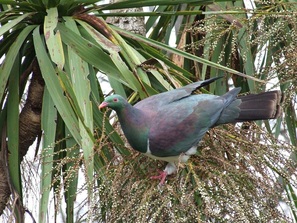
During a 1998 to 2002 study in Whirinaki Forest 17 Kaka and 15 kereru were radio tagged and monitored throughout an aerial 1080 operation, and for two weeks afterwards. All of the 17 kaka and 15 kereru survived in the area treated with 1080.

Read the study here
Pictures
0 Comments
<
Forward>>

    Archives

    September 2019
    April 2015
    September 2014
    April 2014
    December 2011
    April 2011
    March 2009
    July 2004
    September 2003
    January 2003
    September 2000

    Categories

    All the
    1080
    Aerial 1080
    Falcon
    Kahurangi National Park
    Cake
    Kea
    Kiwi
    Robin
    South Westland
    Whio

    RSS Feed

supporting organizations

This website is operated by the Pest Control Education Trust
About the Trust |    Contact the Trus  t